
The Whistle That Became a Legacy: Otis Redding’s December Echo
This week, we turn our focus to one of the most soulful moments in music history as we reflect on Otis Redding’s final recording, “Sittin’ On The Dock of the Bay.” In early December 1967, Redding captured a song unlike anything he had ever recorded—gentle, reflective, and unexpectedly timeless. What makes this moment so remarkable is that the track was still unfinished, complete with a casual whistle at the end that he slipped in while imagining the song’s future shape. Yet that unpolished detail became iconic, transforming the piece into a symbol of authenticity, simplicity, and emotional truth. This week isn’t just about honoring a classic song; it’s about recognizing how genuine expression can become a legacy all its own.
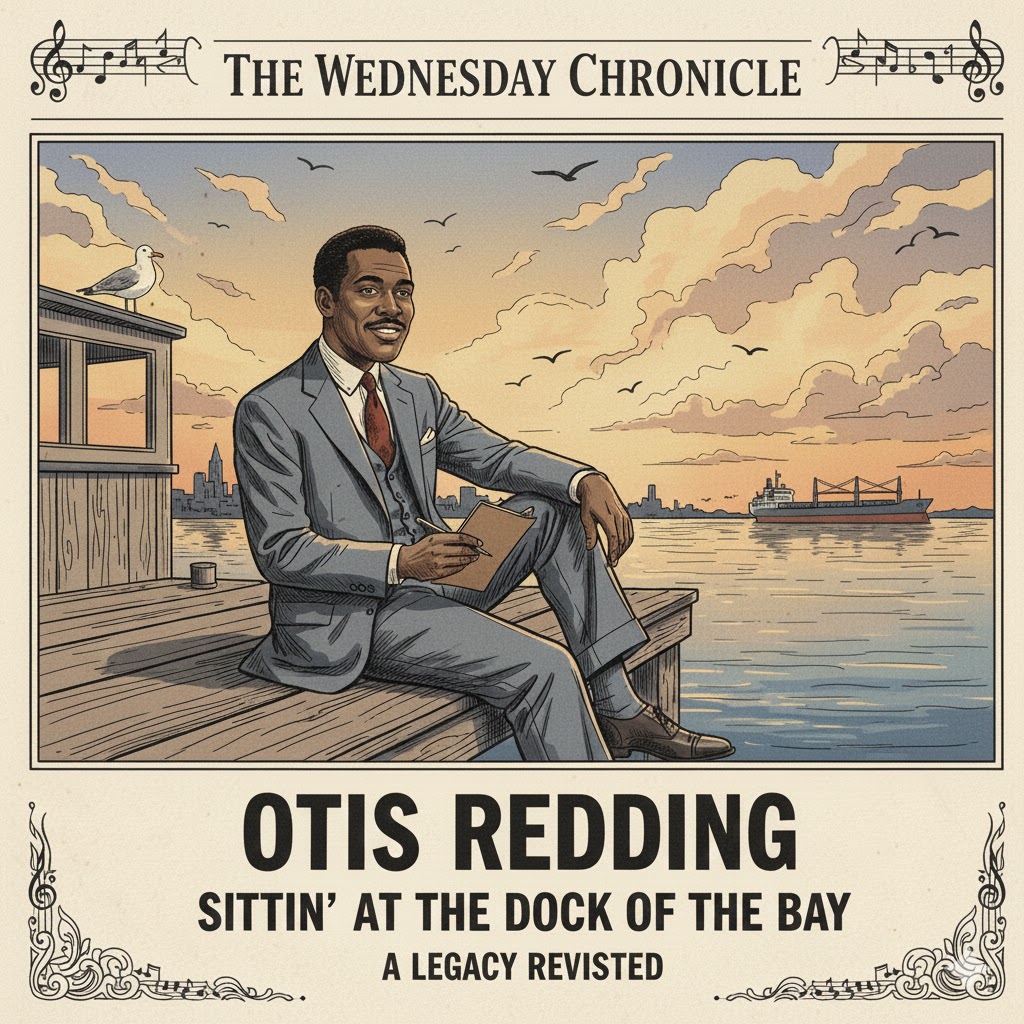
Dock of the Bay Week: Otis Redding’s December Legacy
In early December 1967, Otis Redding walked into the studio with a brand-new sense of direction. He had just returned from a breakthrough performance at the Monterey Pop Festival, where he rewrote the expectations of soul on a rock-dominated stage. That momentum carried him straight into the creation of “Sittin’ On The Dock of the Bay,” a song that didn’t sound like anything he had recorded before. Instead of the explosive, gospel-charged power his fans knew, he leaned into something quieter — a song about longing, reflection, and possibility. That shift alone marked a turning point. Otis wasn’t just singing anymore; he was building a new chapter of soul music. #shaunenation
A Song That Refused to Wait for Perfection
What makes this moment truly remarkable is how unfinished the track was. The guitar wasn’t fully mixed, the arrangement wasn’t complete, and the ending wasn’t written. During a pause in the session, Otis filled the empty space with a light whistle — not a performance choice, not a symbolic gesture, just a placeholder. Yet when the world finally heard it, that whistle became the emotional signature of the song. It captured something real: a man sitting still long enough to let the world speak back to him. In that spirit, the track became a reminder that creative work doesn’t always follow a polished path. Sometimes the world finds magic in the pieces we never planned to highlight. And in Otis’s case, that unfinished moment became the final note of his career.
👤 The Soul Behind the Sound
Otis Redding didn’t rise to influence by chasing trends. He built his name on emotional honesty — a quality that came through in every performance, from the fiery drive of “Respect” to the slow burn of “Try a Little Tenderness.” But with “Dock of the Bay,” he showed a new dimension. He had grown more contemplative, more experimental, more interested in stretching the boundaries of what soul music could express. The song captured a mixture of restlessness and hope, the exact tension many artists feel when they’re on the edge of transformation. His voice didn’t shout; it carried. It didn’t demand attention; it invited you in. That shift became one of the most influential pivots in soul history, showing musicians that vulnerability and simplicity could carry as much weight as power and projection.
🕊️ A Legacy Born on Calm Water
After Otis’s unexpected passing just days later, “Sittin’ On The Dock of the Bay” became the first posthumous No. 1 single in American music history. It wasn’t just a hit — it was a cultural moment. The quiet reflective tone of the song struck listeners differently after his death. Suddenly, that whistle sounded like a farewell, that gentle guitar sounded like a memory, and the entire message took on a timeless weight. The track became a bridge between generations, influencing soul, folk, rock, and even the modern singer-songwriter genre. Today, the calm water and relaxed cadence of the song still carry the same emotional gravity they did in 1967. It stands as proof that a moment of honesty can echo louder and longer than even the most polished performance.
🎶 The Final Word: A Timeless Echo
Otis Redding’s December recording remains one of the clearest examples of how authenticity shapes legacy. He didn’t have the chance to finish the song, rewrite the lines, or polish the final production — yet it became the piece that defined him to the world. That’s not an accident. That’s resonance. The song teaches us that ideas don’t need to be perfectly wrapped to be meaningful. They need heart. They need courage. They need truth. That same principle runs through every voice that rises, every creator who shows up, and every moment when someone decides to share their work before it feels “ready.” The legacy, like that soft whistle drifting over the water, continues to carry forward. #shaunenation
Disclaimer:
As part of #shaunenation, some links in this post may be affiliate links, meaning we could earn a small commission at no extra cost to you. Any product or service mentioned is chosen because it supports the creativity, inspiration, and legacy we highlight in these Chronicles — much like the enduring influence of Otis Redding’s music.